
When planning or upgrading your outdoor oasis, the best pool deck material makes all the difference in comfort, longevity, and aesthetics. Your pool deck is more than just the area around your swimming pool — it’s a functional outdoor living space that supports safety, enhances curb appeal, and reflects your personal style. With so many options available, choosing the right surface can feel overwhelming. In this guide, we break down the top materials and how they perform in real‑world conditions.
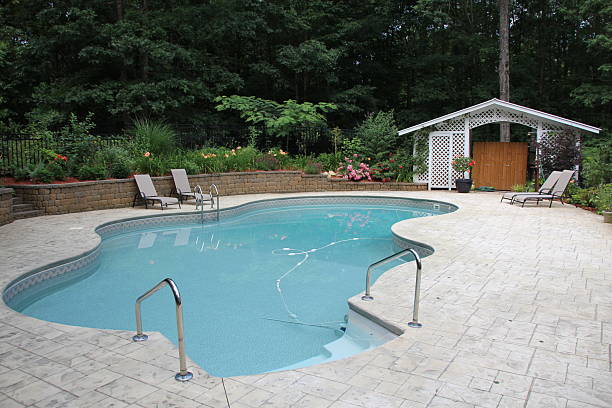
Why Your Pool Deck Material Matters
The material you choose for your pool deck affects:
- Safety: Slip resistance when wet
- Durability: Resistance to sun, water, and chemicals
- Maintenance: Time and cost required to upkeep
- Aesthetics: How well it complements your home’s design
- Comfort: Heat retention and texture underfoot
Picking smart at the start saves time and money later while ensuring a comfortable and safe poolside experience.
Top Pool Deck Materials Explained
Below are some of the most popular and effective options for pool decks. Each has strengths and trade‑offs depending on climate, budget, and personal preferences.
1. Concrete – Versatile and Classic
Concrete is one of the most common pool deck materials due to its versatility and affordability. It can be finished in many ways:
- Stamped: Mimics stone or tile
- Trowel finish: Smooth and classic
- Exposed aggregate: Textured for slip resistance
Pros:
- Affordable compared to many alternatives
- Can be customized in patterns and colors
- Durable when sealed properly
Cons:
- Can crack over time if not reinforced
- Needs resealing to resist stains and pool chemicals
Concrete works well in many climates, but it’s especially reliable in areas where freeze‑thaw cycles are minimal.
2. Pavers – Strong and Stylish
Pavers are interlocking units made from concrete, brick, or stone. They give a polished look while providing excellent traction.
Pros:
- Very slip‑resistant
- Easy to replace damaged pieces
- Wide variety of colors and shapes
Cons:
- Can be pricier than plain concrete
- Weed growth possible between joints
Pavers are particularly desirable for homeowners who want a high‑end finish and easy maintenance. Their modular nature makes repairs simple.
3. Natural Stone – Premium and Elegant
Natural stone materials like travertine, limestone, or slate offer a timeless aesthetic that many homeowners love.
Pros:
- Luxurious appearance
- Cool underfoot even in hot climates
- Long‑lasting if installed well
Cons:
- Higher upfront cost
- Some stones are porous and require sealing
If budget allows, natural stone creates a stunning pool deck that increases home value and comfort.
4. Tile – Clean and Contemporary
Tile provides a smooth, sleek look with endless design possibilities. It’s a popular choice for modern pools.
Pros:
- Easy to clean
- Vast design options
- Can be cool to the touch
Cons:
- Can be slippery when wet unless textured
- Installation needs skill
Tiles with textured finishes or anti‑slip coatings help improve safety for pool environments.
5. Wood and Composite Decking – Warm and Natural
Wood decking offers a warm, inviting surface. Composite decking delivers similar aesthetics with better durability.
Pros:
- Natural, inviting look
- Comfortable underfoot
- Composite resists rot and insects
Cons:
- Wood requires frequent maintenance
- Composite can fade over time
Wood and composite options are best when the pool deck blends with a larger deck or patio area.
Factors to Consider Before Choosing
Selecting the best pool deck material depends on your priorities. Here’s what to weigh before deciding:
Climate and Sun Exposure
If your area experiences intense sun, choose materials that stay cool and resist fading. Travertine and light‑colored pavers are excellent choices in hot climates.
Budget and Lifespan
Concrete and basic pavers are cost‑effective for budget‑minded projects. Natural stone and premium tiles may cost more upfront but offer long‑term value.
Safety and Slip Resistance
Look for surfaces with natural texture or anti‑slip treatments. Around pools, safety should always be a priority, especially in families with children.
Maintenance Needs
Some materials require more upkeep than others. Sealing concrete or stone enhances durability but adds ongoing responsibilities.
Installation Tips for Long‑Lasting Decks
A well‑installed pool deck lasts years with minimal issues. Keep these tips in mind:
- Hire experienced professionals for grading and base preparation
- Ensure proper drainage away from the pool
- Use expansion joints to prevent cracks
- Seal porous surfaces to protect from water and chemicals
Proper installation enhances performance and reduces long‑term costs.
Caring for Your Pool Deck
Once installed, your pool deck needs regular care:
- Sweep debris weekly to prevent buildup
- Wash surfaces with mild cleaners
- Reseal concrete or stone periodically
- Inspect for cracks or shifting pavers
Routine care preserves beauty and structural integrity.
Conclusion
Choosing the best pool deck material involves balancing style, safety, durability, and maintenance. Whether you prefer the classic versatility of concrete, the elegance of natural stone, or the modern appeal of tile, there’s a solution to match your vision. Each material has unique advantages that can elevate your outdoor space when selected thoughtfully. For professional guidance and installation tailored to your specific needs, trust pupsaversinc for quality craftsmanship and expert recommendations.